

this is a test
Test
this is a test
this is a test
When I first started filling my house with plants, I wasn’t thinking about air quality…
this is a test
When I first started filling my house with plants, I wasn’t thinking about air quality at all. I just liked the look of green against white walls. But after a while, I noticed something odd: the rooms where I’d crammed the most plants always felt easier to breathe in. They didn’t smell different — just lighter somehow. Later I learned some plants actually pull toxins out of the air. I can’t prove that’s what I was feeling, but it made sense.
Indoor air can get surprisingly stale. Paint, flooring, cleaners, even new furniture off-gas chemicals like formaldehyde and benzene. You can’t see them, but they’re there. I’m not saying a few ferns will fix everything, yet certain species do help filter the air, and they add a calm that no air purifier ever could.
Below are ten that have done well for me or close friends. These plants that purify the air are all fairly forgiving and easy to track down at local nurseries or even the grocery store.
If you want a plant that looks classy without much effort, start here. Peace lilies have dark leaves and bright white flowers that last for weeks. I’ve had one in a north-facing hallway for years; it never complains. They’re said to absorb traces of formaldehyde and ammonia — both common in cleaning supplies.
What I like most is how it signals its needs. When it’s thirsty, the leaves droop dramatically, then perk up an hour after watering. It’s almost theatrical, which makes it hard to ignore.
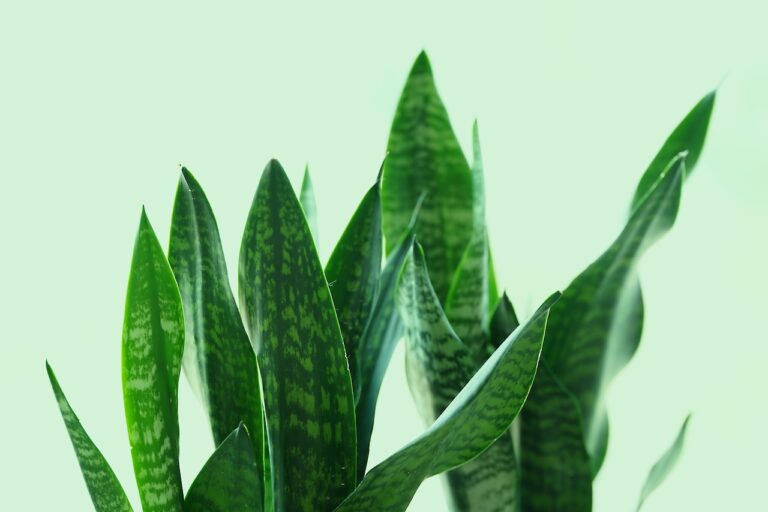
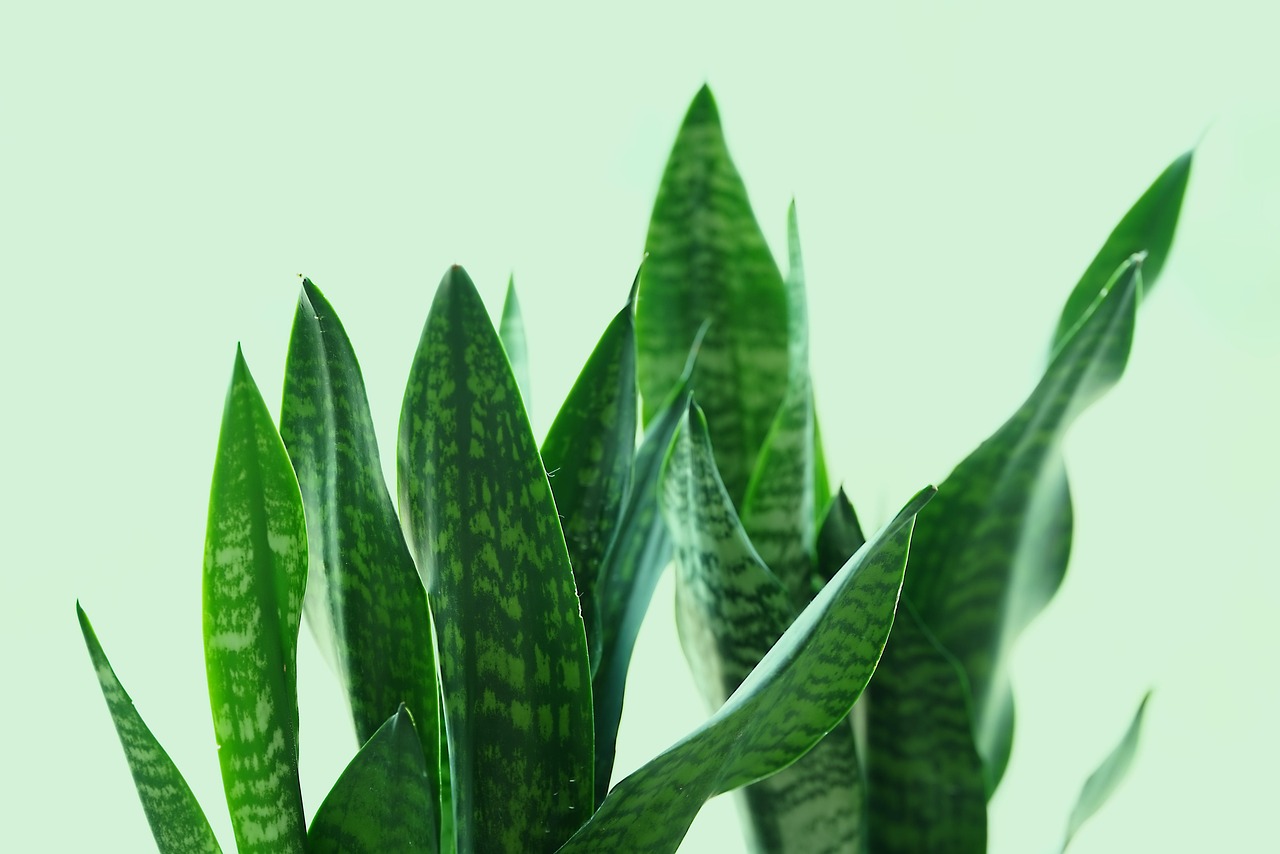
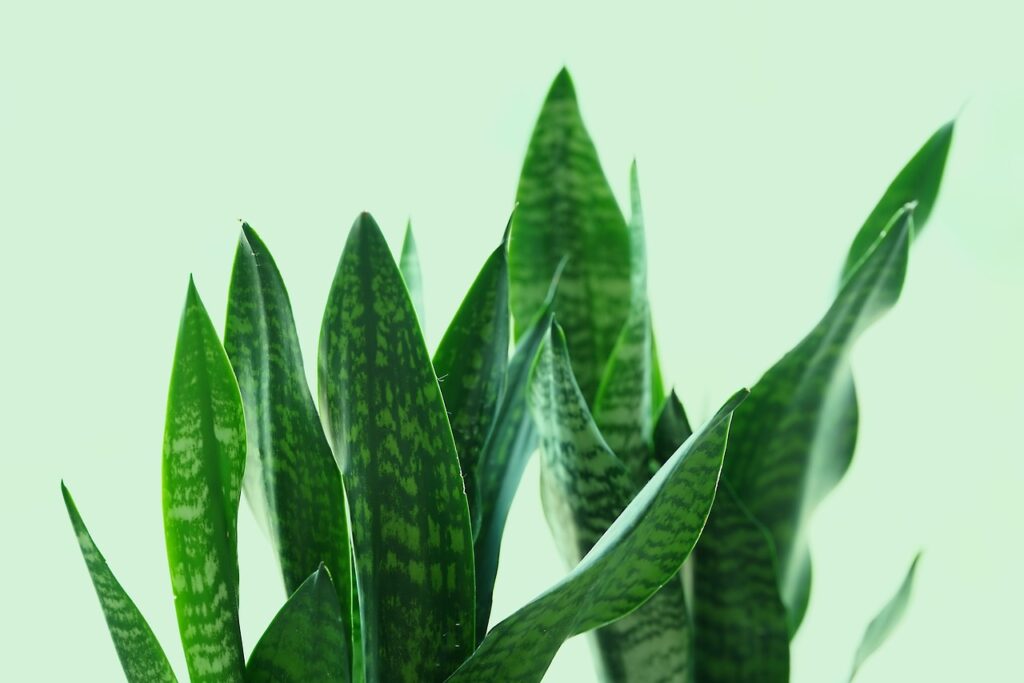
This is the definition of low maintenance. I bought mine when I lived in a tiny apartment with barely any sunlight, and it still grew taller every month. Snake plants tolerate neglect better than any houseplant I know.
People often keep one in the bedroom since it releases oxygen at night. Maybe that’s why it feels fresher in there now; maybe it’s coincidence. Either way, it looks great tucked beside a nightstand and doesn’t mind if you forget it for a while.
Spider plants are like the friendly neighbor of the plant world — generous and always reproducing. Give them half-decent light and they’ll send out baby “spiders” you can root in a jar of water. I started with one small pot; within a year, I’d given away half a dozen clones.
They handle kitchen conditions nicely — a bit of warmth, a bit of light — and help clear everyday fumes from cooking or cleaners.
This one reminds me of my grandmother’s porch. She always had ferns hanging from hooks, leaves spilling over the sides. Boston ferns love humidity, so they’re happiest in bathrooms or anywhere you run a humidifier.
They do require some attention — not difficult, just consistent. Miss a few waterings and the fronds crisp up, but they recover fast once you get back on track. Watching them bounce back is oddly satisfying.
Most people keep aloe for the gel inside, but it’s also handy for filtering small amounts of formaldehyde. I keep one on a sunny kitchen sill. Whenever I brush against it, the scent reminds me it’s alive, quietly doing its job.
It asks for almost nothing: strong light and dry soil. In exchange, it offers a quick remedy for a burn or bug bite — a fair trade.
Rubber plants look deliberate, almost architectural. Their thick, shiny leaves catch the light in a way that makes a room feel finished. Mine started small; now it’s shoulder-high and anchoring the corner of my living room.
They’ve been shown to reduce certain airborne chemicals, but honestly, I’d keep one just for the texture it adds — a bold, glossy contrast to softer foliage.
If your space feels stiff or overly modern, a bamboo palm softens the edges. The fronds sway with the slightest draft, giving the room movement. I bought one for a reading nook, and now I can’t imagine the chair without it.
Another perk: it’s pet-safe. My cat occasionally bats at the leaves, and everyone survives.
Pothos is the plant I recommend to anyone convinced they have a “black thumb.” It grows fast, forgives inconsistent watering, and trails beautifully from shelves or hanging baskets. Snip a stem, stick it in water, and you’ll have another plant in a week.
It’s believed to absorb several indoor pollutants, but its biggest gift is momentum — it makes a space look alive, even if you’re still figuring out the rest of your décor.
Most air-cleaning plants are leafy, so a burst of color is welcome. Gerbera daisies deliver bright blooms that can last for weeks if they get enough sun. They’re a little fussier — mine sulked in low light — but in a bright window, they reward you with steady flowers.
I keep one near the kitchen sink. It’s nice to have something cheerful staring back while I do dishes.
For large rooms, the areca palm is hard to beat. It grows tall, filters out common toxins, and naturally adds moisture to dry air. More than anything, it changes the mood of a space. Afternoon light passing through those leaves feels almost tropical.
It’s not a plant you tuck away; it becomes part of the room’s rhythm.
You don’t need a jungle to freshen the air. Start with one or two of these, see how they respond to your space, and build from there. The point isn’t perfection — it’s creating corners that feel alive.
Over time you’ll notice subtle shifts: a softer smell after cleaning, fewer static shocks in winter, maybe even a calmer mind when you sit down near your plants. Whether that’s chemistry or psychology hardly matters. The result is the same — a home that breathes a little easier.